Premier League Fixture Chaos: Newcastle's Liverpool Dilemma
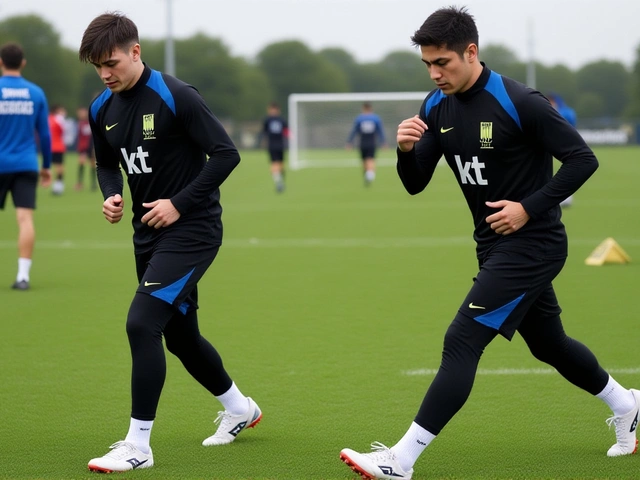
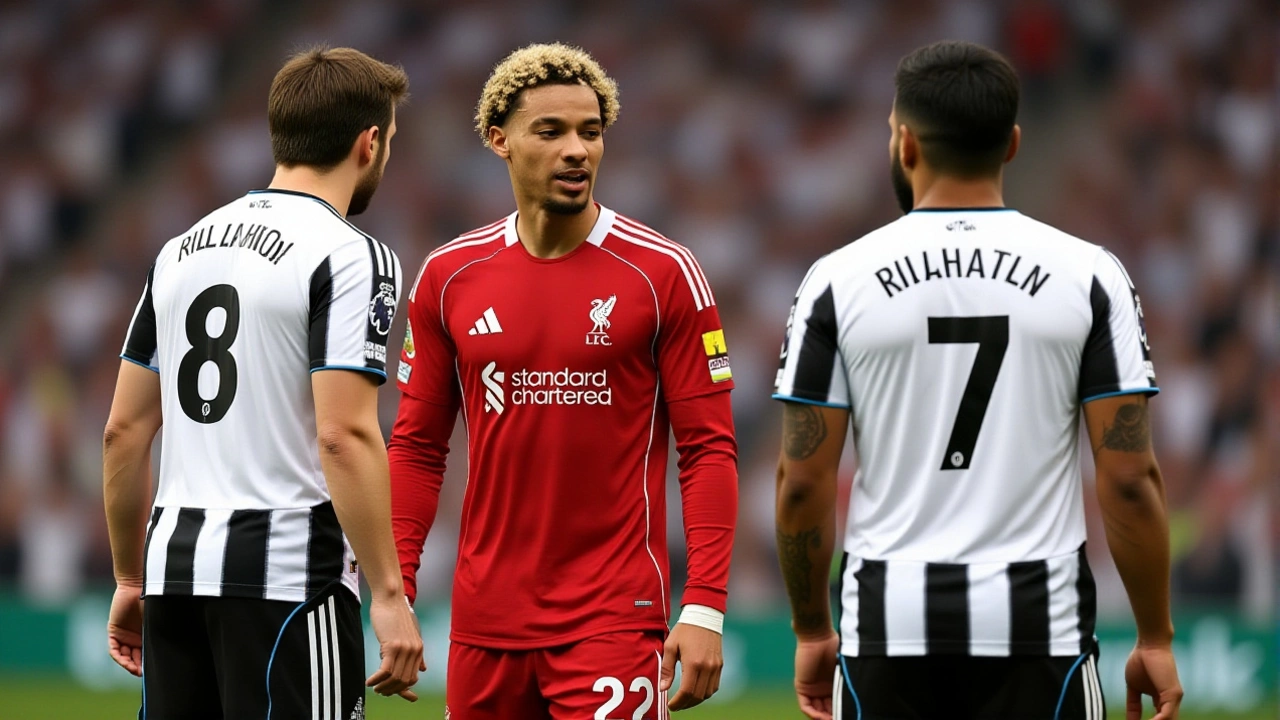
It’s the kind of administrative headache that fans hate but clubs have to live with. Newcastle United are facing a fresh logistical nightmare in their pursuit of European qualification, and this time, the culprit isn’t an injury or a red card—it’s the calendar itself. The Premier League has structured the upcoming fixture list in a way that leaves Eddie Howe’s side scrambling for recovery time before a crucial clash with Liverpool FC.
The issue? A congested schedule that sees Newcastle playing high-intensity matches across multiple competitions with insufficient rest days. While the league insists the schedule is balanced, the reality on the ground tells a different story. For a club operating on a tighter budget than many of its rivals, player rotation is limited. Every minute counts. And right now, every minute feels like it’s being squeezed out by poor planning.
The Scheduling Quagmire
Here’s the thing: football isn’t just played on Sundays anymore. With the addition of the UEFA Champions LeagueEurope, domestic cup ties, and midweek Premier League games, the physical toll on players has skyrocketed. Newcastle, currently battling for a top-four finish, find themselves in a precarious position. They need points against Liverpool to keep their dreams alive, but they also need their key players fit enough to run.
The latest fixture release shows Newcastle facing three major opponents in a span of nine days. That’s not just tough; it’s brutal. And when you look at the opposition—teams with deeper squads who can rotate without losing quality—the disparity becomes glaring. It’s not just about talent; it’s about resources. And right now, the system seems to favor those with more.
Why This Matters Now
This isn’t the first time Newcastle has been caught in this web. Last season, similar scheduling issues contributed to a late-season slump. But this year, the stakes are higher. A win against Liverpool could propel them into the top four. A loss could derail their entire campaign. The psychological impact of knowing you’re entering a match exhausted while your opponent is fresh cannot be overstated.
But wait—it’s not just Newcastle feeling the pinch. Other mid-table clubs are voicing concerns too. However, because Newcastle’s fate hinges so heavily on this specific result, the spotlight is firmly on them. The narrative is shifting from “can they win?” to “will they even be able to compete physically?”
Voices from the Sidelines
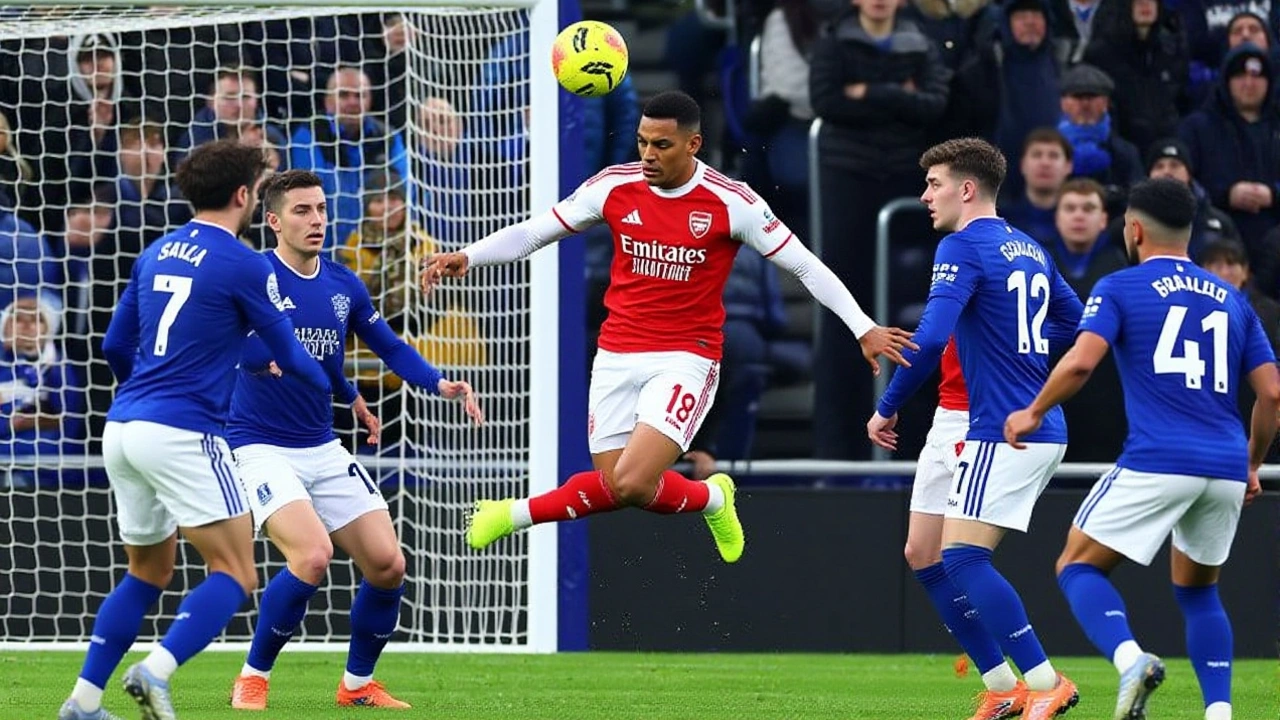
Eddie Howe hasn’t minced words in recent press conferences. “We’re doing our best to manage fatigue,” he said after a grueling midweek defeat. “But we can’t control the calendar. We can only control how we prepare.” His frustration is palpable. Players like Alexander Isak, Striker for Newcastle United and Bruno Guimarães, Midfielder for Newcastle United are carrying heavy loads week in, week out. Injuries are looming threats, not distant possibilities.
Liverpool manager Jürgen Klopp, meanwhile, remains focused on his own team’s needs. “We respect Newcastle,” he noted. “They’re a difficult side. But we’ll be ready.” Whether that readiness includes a tactical advantage due to fresher legs remains to be seen.
The Bigger Picture
This situation highlights a growing tension within English football. The Premier League generates billions in revenue, yet the structure of the game continues to evolve in ways that disadvantage smaller clubs. There have been calls for reform—more rest days, better scheduling algorithms, perhaps even a cap on total appearances per player. But progress is slow. Too slow, many argue.
Turns out, money doesn’t solve everything. Even with increased investment, Newcastle can’t buy extra hours in the day. And until the governing bodies address these structural imbalances, stories like this will keep repeating themselves. Season after season. Club after club.
What’s Next?
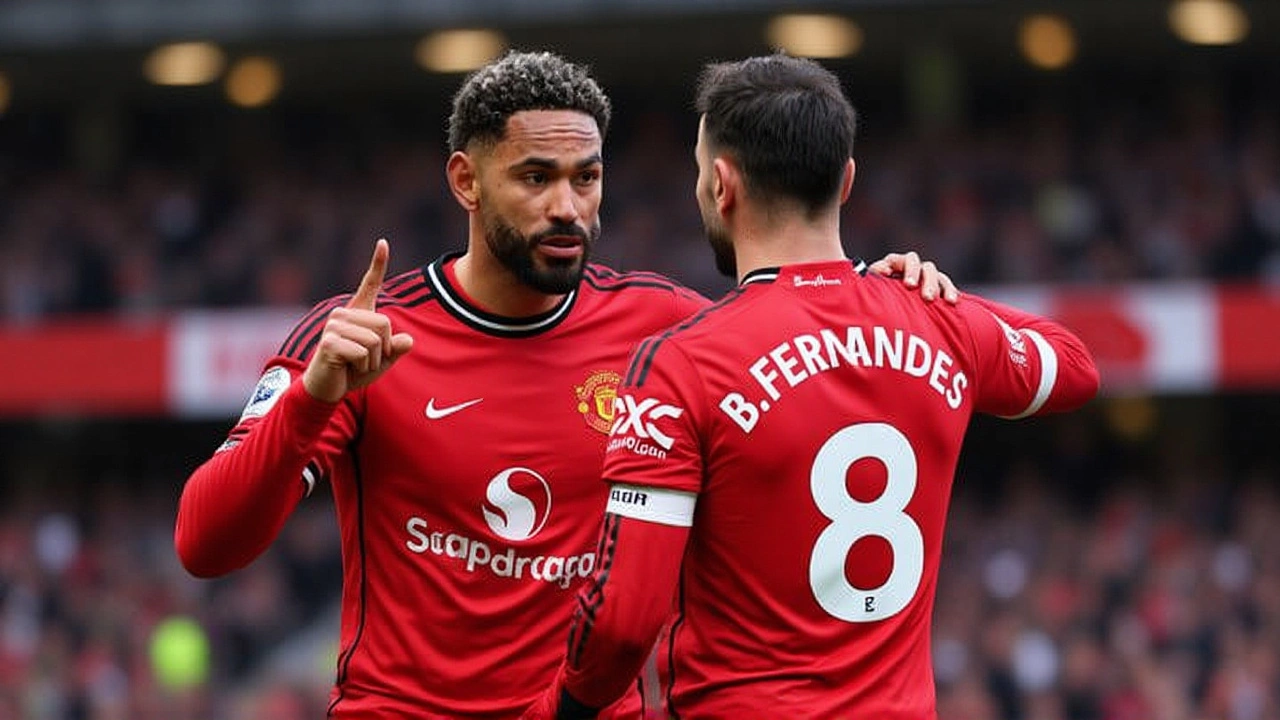
All eyes are now on the upcoming match between Newcastle and Liverpool. If Newcastle can navigate the fatigue and secure a positive result, it would be a testament to their resilience—and a damning indictment of the current system. If they fall short, critics will point to the schedule as the primary reason. Either way, the debate over fairness in football scheduling is far from over.
In the meantime, fans brace themselves for another thrilling, exhausting chapter in the Premier League drama. Because in modern football, sometimes the biggest challenge isn’t the opponent—it’s the calendar.
Frequently Asked Questions
How does fixture congestion affect Newcastle United?
Fixture congestion forces Newcastle to play multiple high-intensity games in short periods, increasing injury risk and reducing performance levels due to fatigue. With a smaller squad depth compared to rivals, they struggle to rotate effectively without compromising quality.
Why is the Liverpool match critical for Newcastle?
A win against Liverpool could significantly boost Newcastle’s chances of securing a top-four finish and qualifying for the UEFA Champions League. Given their current standing, this match is pivotal for their European ambitions.
What have managers said about the schedule?
Eddie Howe has expressed frustration over the lack of control regarding the calendar, emphasizing the difficulty of managing player fatigue. Jürgen Klopp acknowledged Newcastle’s strength but hinted at potential advantages from having fresher players.
Are other clubs affected similarly?
Yes, several mid-table clubs have raised concerns about fixture congestion. However, Newcastle’s situation is particularly acute due to their reliance on key players and the high stakes involved in their remaining fixtures.
What reforms are being proposed?
Proposals include implementing mandatory rest days, improving scheduling algorithms to balance workloads, and potentially capping the number of appearances a player can make across all competitions to reduce burnout and injury risks.